An Architectural Perspective on Performance, Heritage & Material Intelligence
Search volume suggests a simple question: what are the best luxury fabric brands?
In architectural practice, the answer is never a list. It is a specification strategy.
In high-end villas, hospitality suites and marine environments, fabric is not chosen for decoration. It is specified as a performance layer within the building envelope — particularly in hospitality projects where durability and compliance are non-negotiable. It moderates acoustics, filters light, regulates perception of temperature and contributes to compliance standards that developers cannot ignore.
The brands that lead this field do so because they understand fibre science as much as design language.
In practice, the best luxury fabric brands for villas, hospitality and yacht interiors are those capable of balancing heritage with measurable performance.
What Actually Defines the “Best” Fabric Brand?
A textile house earns authority through measurable criteria:
Verified Martindale abrasion resistance
Light fastness suitable for strong UV exposure
Inherent or compliant fire ratings (BS 5852, EN 1021, IMO FTP Code where applicable)
Fibre traceability
Consistency in dye production
Dimensional stability under humidity fluctuation
Aesthetic relevance alone is insufficient.
In the GCC, where UV exposure and humidity cycles are extreme, these parameters move from optional to critical.
In hospitality environments, incorrect textile specification often leads to replacement cycles within 24–36 months. Properly engineered fabrics can extend that lifecycle to 8–10 years — a difference that directly impacts operational cost and asset value.
The Luxury Textile Brands Architects Frequently Specify
Below is a selection of brands that consistently operate at the highest tier of residential and contract interiors.
Loro Piana Interiors
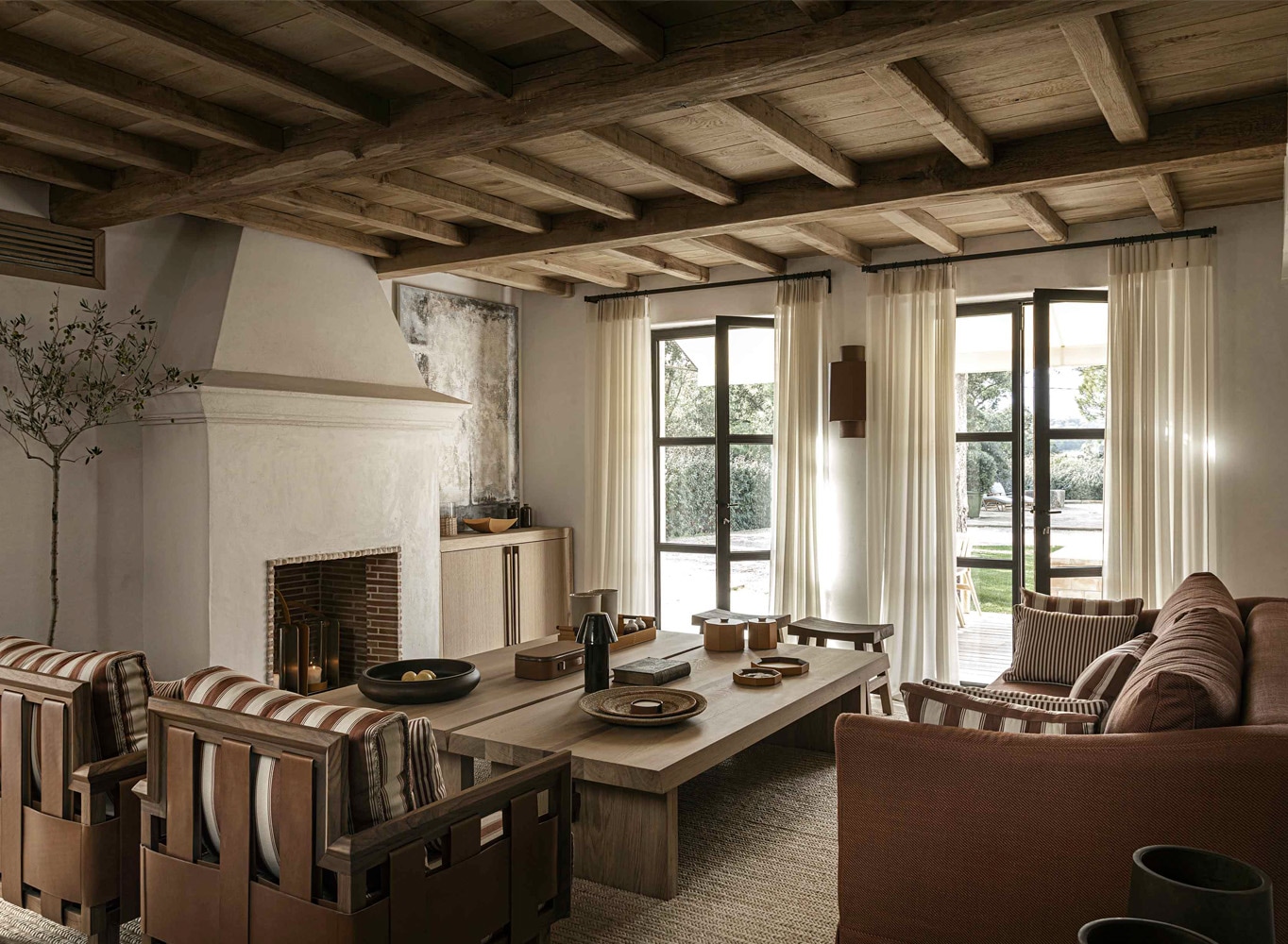
Material Authority: Fibre Provenance
Few brands control fibre sourcing as rigorously. Cashmere, alpaca and fine wool collections demonstrate extraordinary tactile depth.
Fibre diameter — often between 15–16 microns in ultra-fine cashmere — influences not only softness, but thermal regulation and acoustic absorption capacity. These micro-level characteristics translate into macro-level spatial comfort.
Best suited for private villas and low-traffic refined interiors where sensory experience is primary.
Technical note: natural fibres perform exceptionally in controlled environments but require careful consideration under prolonged UV exposure.
Dedar
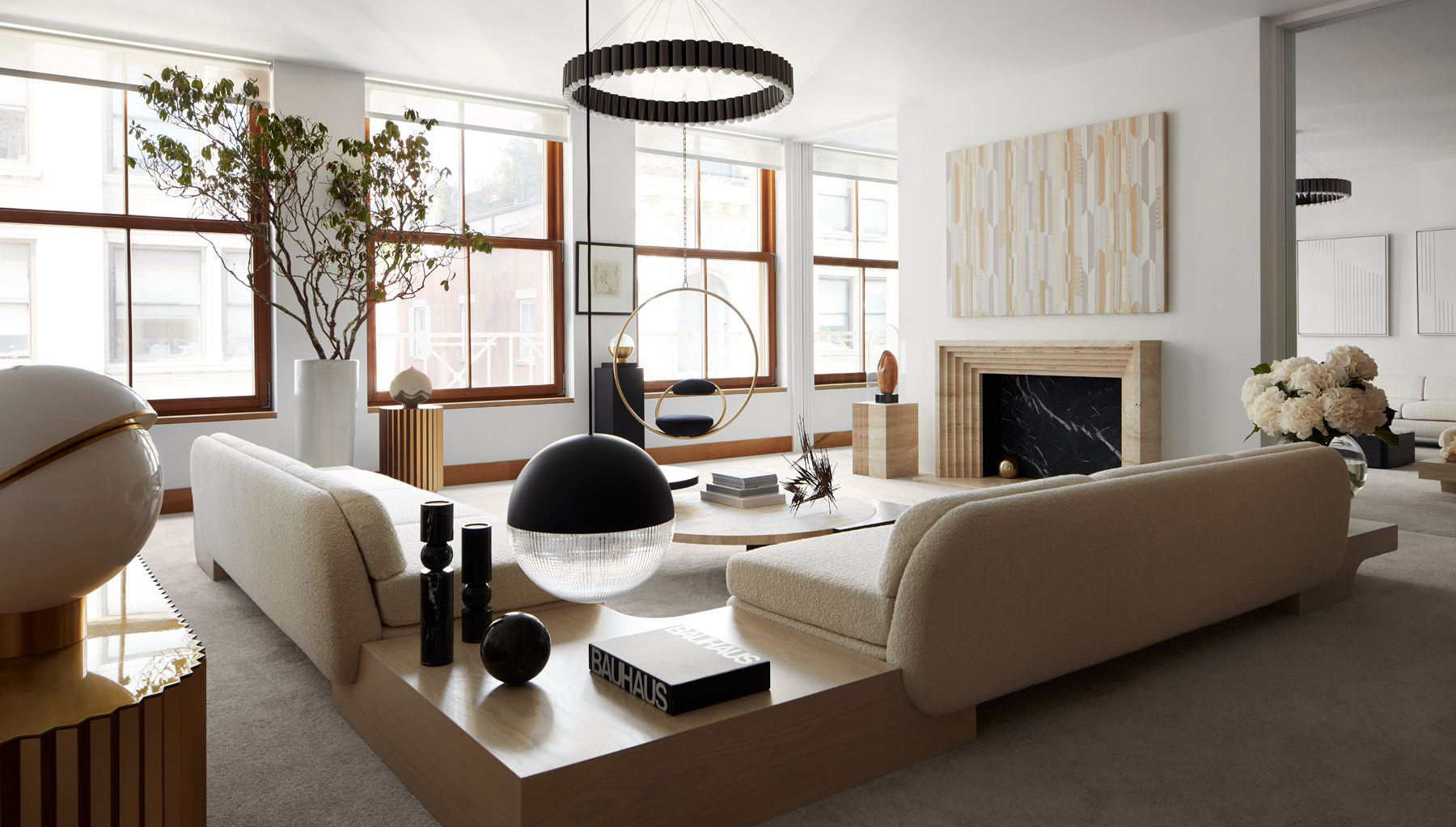
Material Authority: Contemporary Weaving Research
Dedar blends Italian textile heritage with experimental construction. Strong in velvets, jacquards and layered textures.
Suitable for boutique hospitality and expressive residential projects.
Chicca tecnica: recent weaving developments integrate higher abrasion thresholds without sacrificing hand-feel — a key evolution in contract-ready luxury.
Rubelli
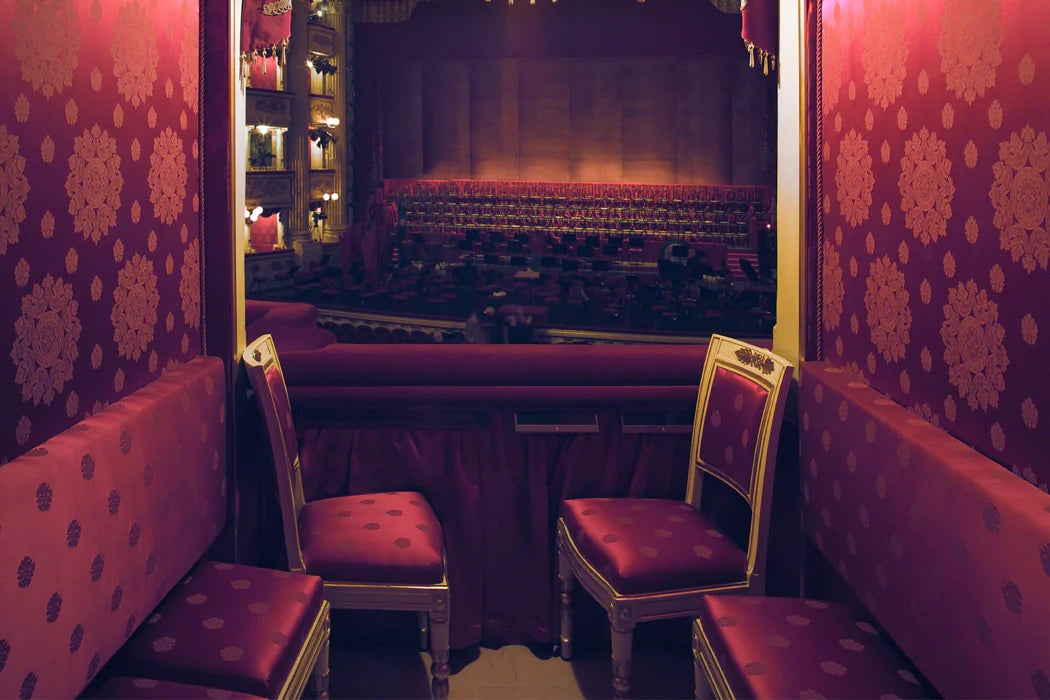
Material Authority: Heritage with Contract Depth
Founded in Venice, Rubelli combines historical weaving knowledge with hospitality-grade collections.
Strength lies in balancing cultural identity with fire-rated performance options.
Kvadrat
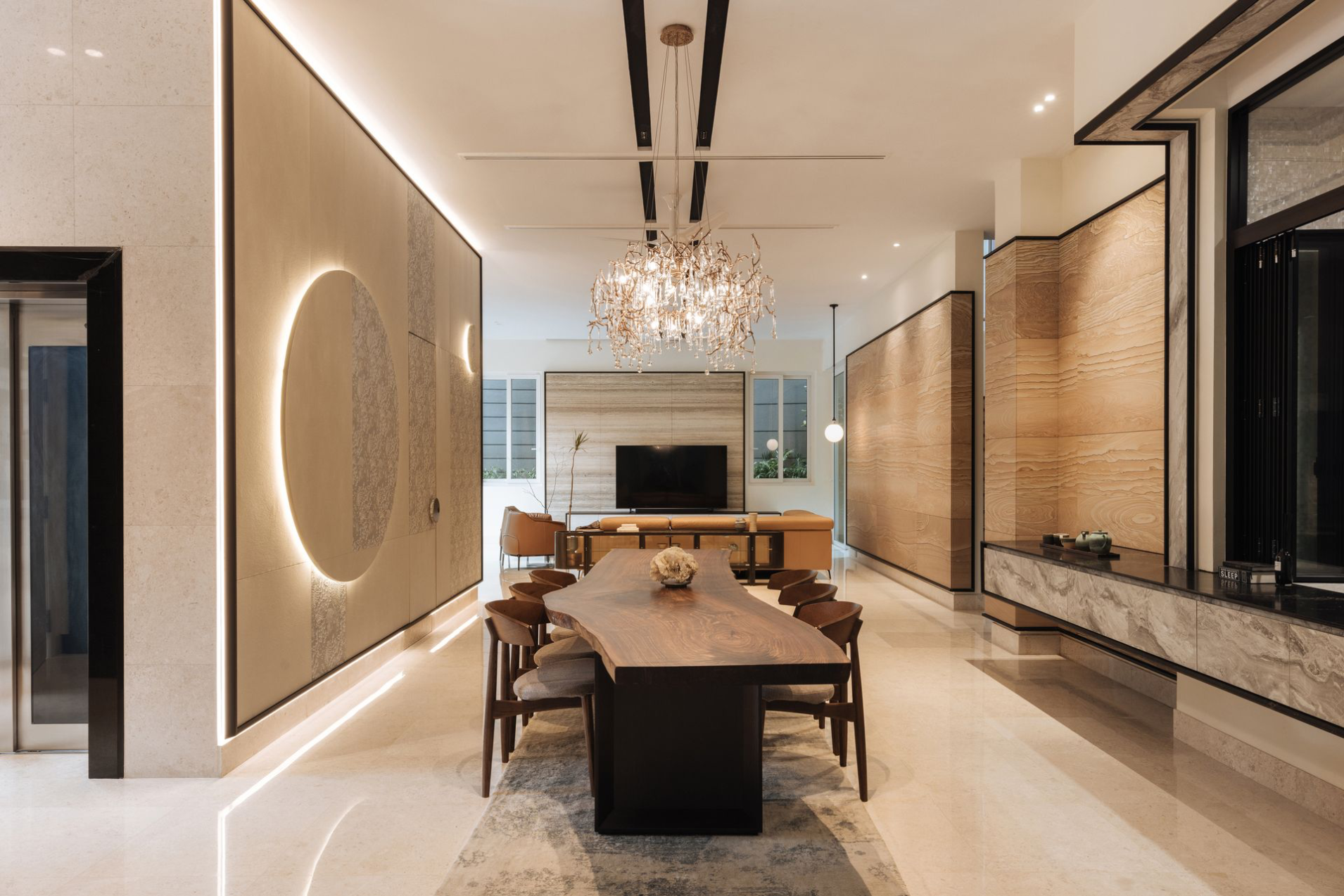
Material Authority: Laboratory-Driven Performance
A benchmark in contract textiles. Known for wool-rich blends, Trevira CS collections and acoustic integration systems.
Kvadrat’s strength lies in measurable performance. High Martindale ratings, strong light fastness and structured environmental testing make it a common specification in hospitality and institutional projects.
Certain collections exceed 80,000 Martindale cycles while maintaining a refined hand-feel — a balance rarely achieved in contract textiles.
Recent development: increasing focus on recycled fibre content with traceable lifecycle data — relevant for ESG-driven developments.
Pierre Frey
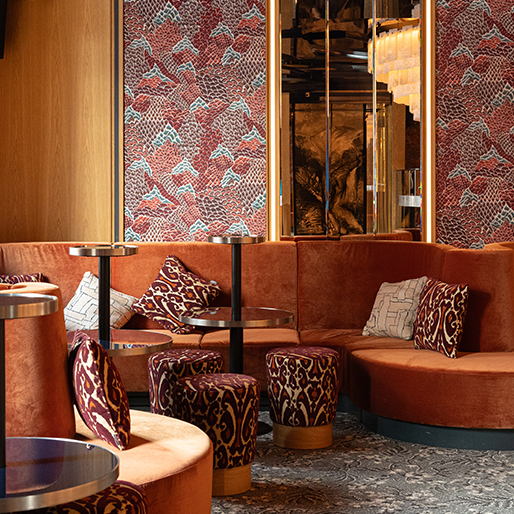
Material Authority: Pattern with Structural Capability
Recognised for expressive designs, yet backed by contract-certified lines suitable for hotel environments.
Zimmer + Rohde
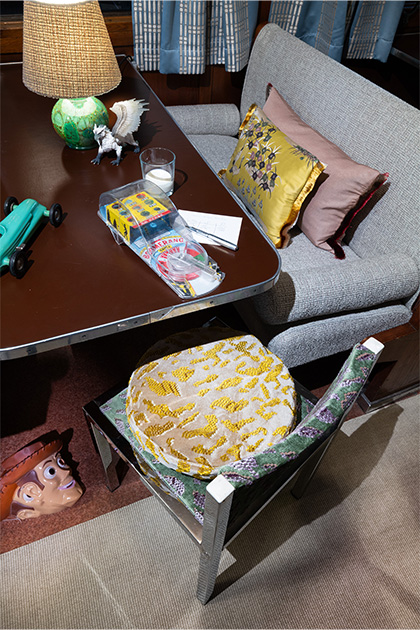
Material Authority: Structural Subtlety
Known for disciplined palettes and architectural restraint. Particularly relevant in projects where material calmness is preferred over decorative emphasis.
Holland & Sherry
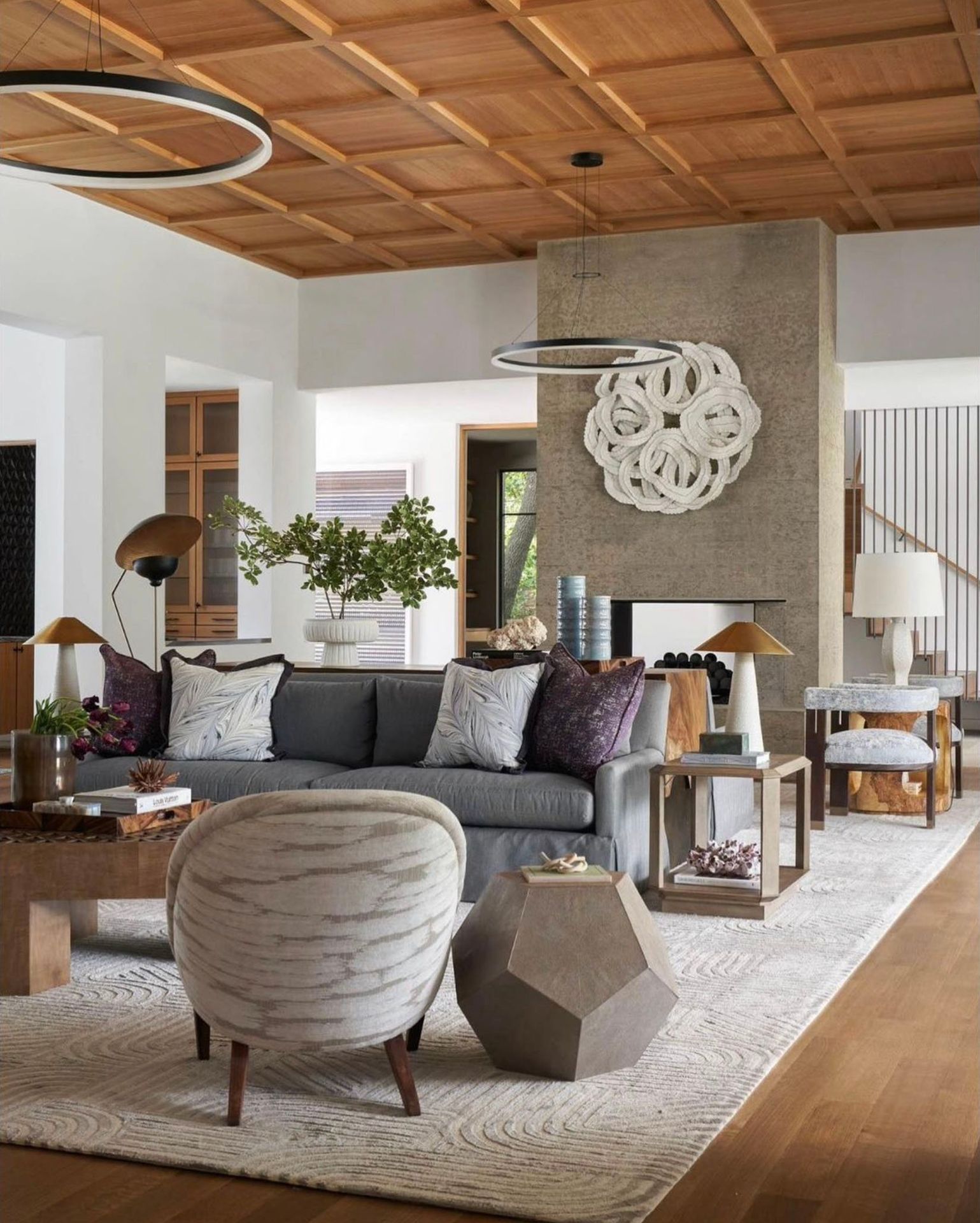
Material Authority: Wool Expertise
Originating in tailoring, their fibre sourcing knowledge translates into refined interior textiles. Strong in wool-based solutions with natural flame resistance characteristics.
Hermès Maison
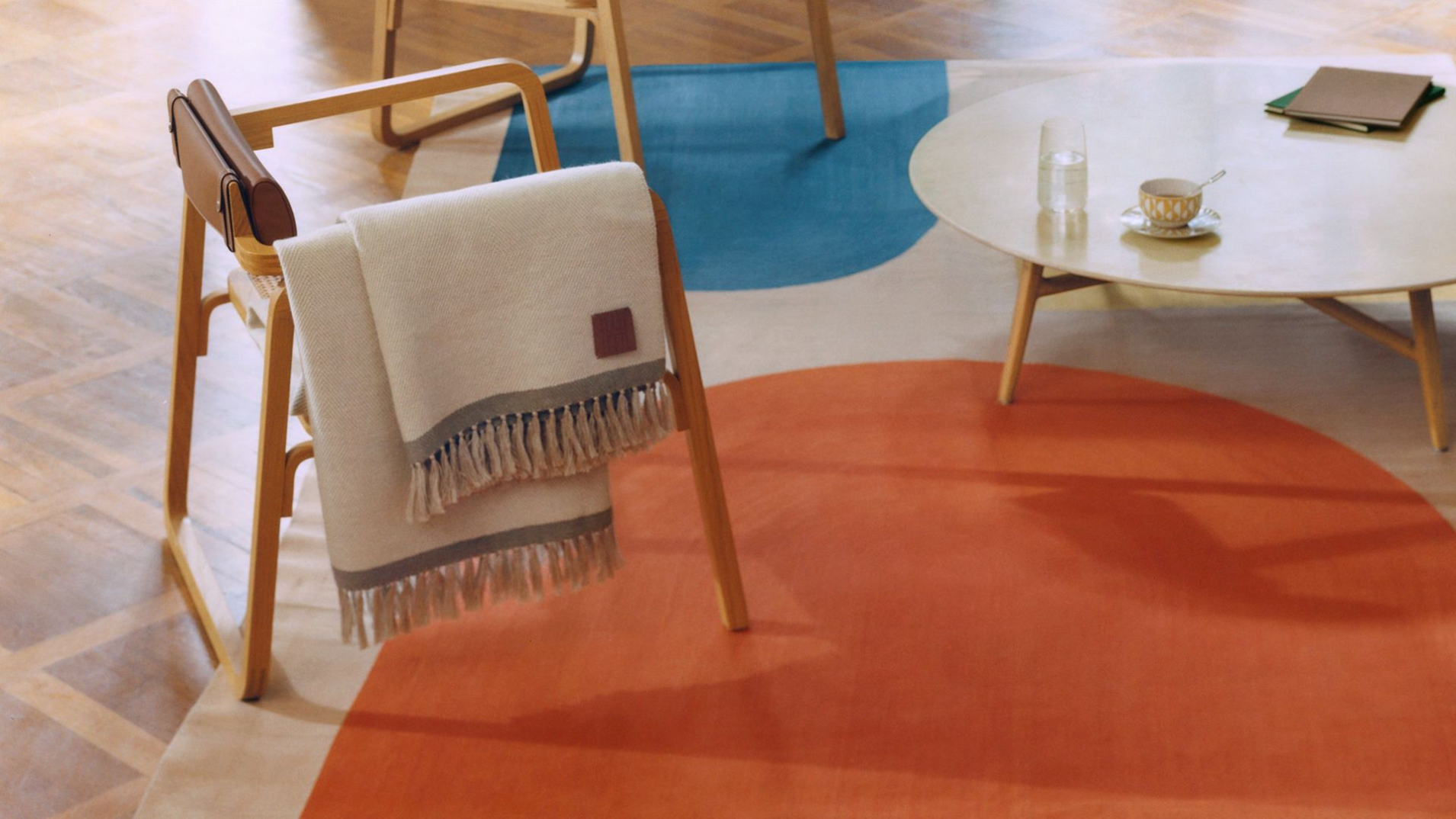
Material Authority: Limited Craft Production
Best suited for curated applications rather than large-scale hospitality. Exceptional fibre blends and artisanal weaving.
Armani/Casa
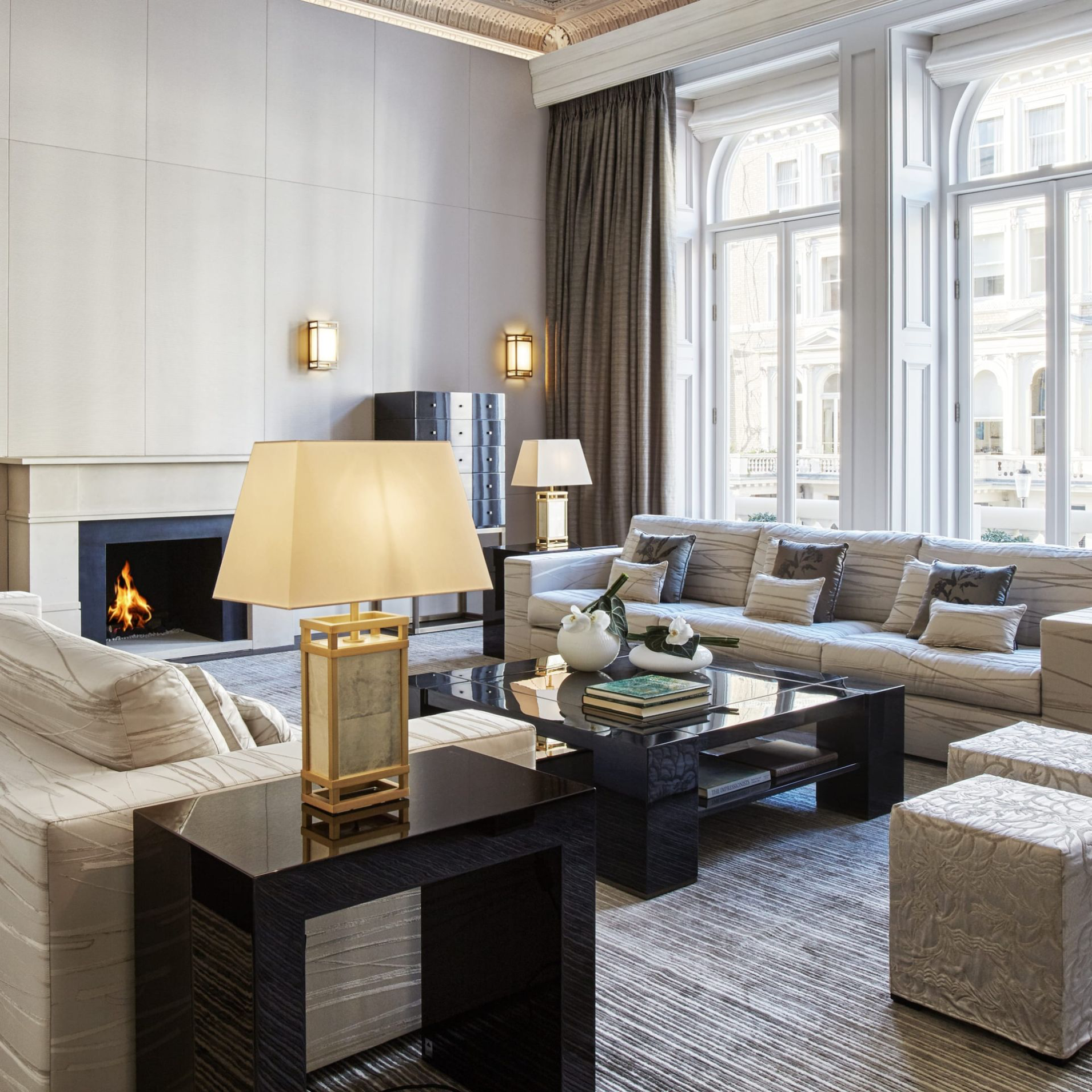
Material Authority: Cohesive System Integration
Textiles integrated within a full architectural language. Consistency over experimentation.
Maharam

Material Authority: Contract Durability
Highly specified in commercial and hospitality sectors. Strong laboratory credentials and high abrasion thresholds.
Residential vs Hospitality vs Marine: Context Determines Excellence
Private Villas (GCC Focus)
Priority:
Fibre authenticity
Layered sheers for solar modulation
Light fastness rating minimum 6–7
Acoustic softening in marble-dominant interiors
Cashmere and wool blends excel when protected from excessive exposure.
Hospitality Suites
Priority:
40,000–70,000 Martindale abrasion
Inherent flame-retardant fibres (e.g. Trevira CS)
Stain resistance
Dye stability across batches
Here, engineering overrides narrative.
Yacht Interiors
Priority:
IMO compliance
Salt exposure resistance
Dimensional stability under movement
UV durability
Few residential textiles perform adequately without adaptation.
A Technical Insight Often Overlooked
In high-glazing environments typical of Gulf villas, curtain textiles act as solar regulators. Fibre density and weave openness influence not only privacy but thermal gain and glare control.
UV intensity in Gulf regions significantly accelerates pigment degradation compared to temperate European climates. Dye chemistry and fibre structure therefore become critical specification variables rather than aesthetic choices.
Similarly, upholstery composition affects acoustic reverberation time in double-height living spaces — an increasingly relevant factor as stone and polished finishes dominate contemporary architecture.
Textiles are not aesthetic layers.
They are environmental moderators.
Why “Best” Is Contextual
The most sophisticated textile brands operate with in-house testing, controlled fibre sourcing and validated compliance. What differentiates them is not visual identity alone, but material research infrastructure.
In architecture, luxury without technical validation is fragile.
Luxury with validated performance becomes sustainable.
Final Perspective
The best luxury fabric brand is not universal.
It is the one correctly specified for climate, occupancy, regulation and spatial intention.
In high-performance interiors, textiles:
Diffuse light
Absorb sound
Stabilise comfort
Ensure compliance
Influence psychological perception
They operate quietly. But decisively.
The role of textile specification in high-end architecture is rarely visible — yet it is often the difference between interiors that age with dignity and those that deteriorate prematurely.
When properly specified, fabric is not decoration.
It is architecture, softened.