Define where value engineering creates measurable impact.
Value Engineering · Residential Interiors
Value engineering for high-end residential interiors.
Interni applies value engineering as execution intelligence: a way to protect design intent, improve buildability, coordinate procurement logic and reduce delivery risk before decisions move to site.
Design alignment · Buildability · Sequencing · Procurement control
01
Protect design intent
02
Review buildability and materials
03
Align procurement and sequencing
04
Reduce site risk before execution
What We Mean
Strengthening the project, not simplifying it.
In high-end residential projects, value engineering should not be treated as a cost-cutting exercise. Used correctly, it is a technical review discipline that strengthens the route from design intent to completed interior.
Interni reviews build-ups, repeated details, material behaviour, junctions, tolerances, supplier logic and sequencing so the approved design can be executed accurately and consistently.
Design
Protected intent and clearer detailing.
Execution
Better sequencing and buildability.
Outcome
Quality, time and reduced delivery risk.
Technical Review
Execution certainty is created before site pressure begins.
- How materials perform under real residential conditions.
- How details translate from drawings to site installation.
- How repeated details behave across multiple rooms and conditions.
- How procurement sequencing affects quality, timing and approvals.
- How alternatives can be evaluated without aesthetic compromise.
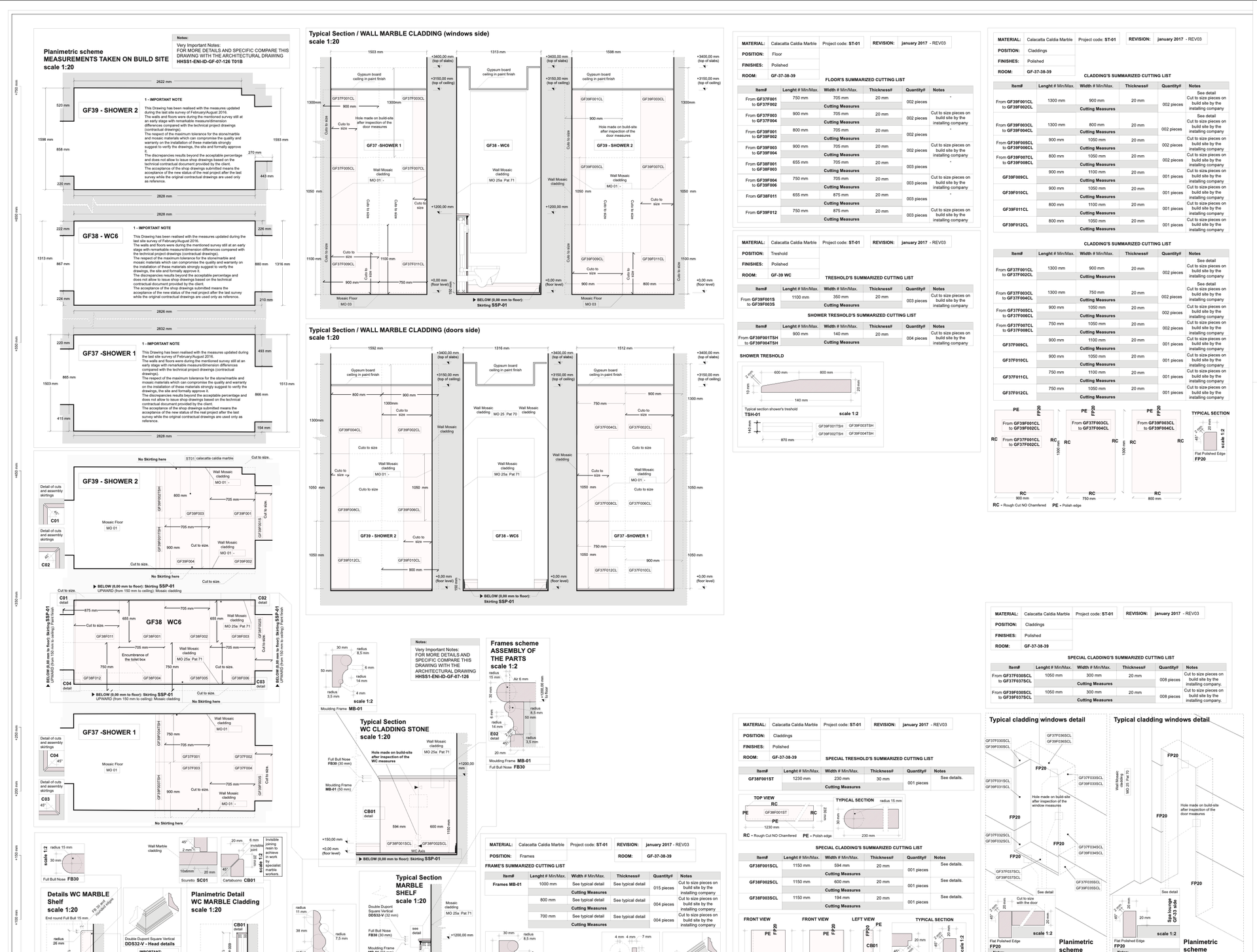
Technical review focuses on build-ups, tolerances, interfaces and execution logic — not surface decoration.
Execution Framework
The Interni value engineering cycle.
A structured decision route designed to protect design intent while improving execution certainty.
Protect authorship and lock non-negotiable intent.
Validate buildability, interfaces and execution constraints.
Select execution-ready alternatives without aesthetic compromise.
Confirm alignment with the design studio before commitments.
Integrate decisions into procurement, sequencing and site delivery.
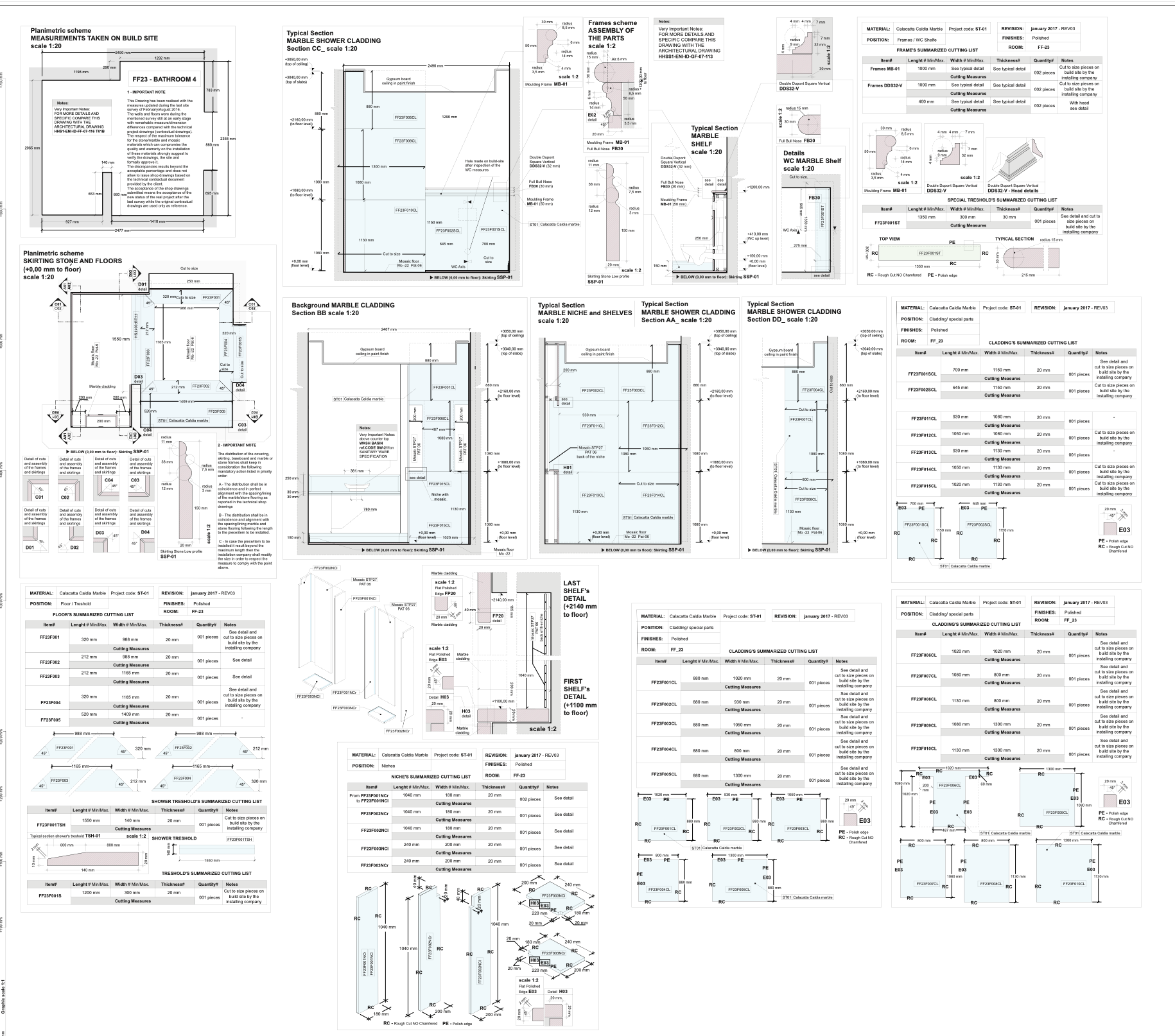
Alignment happens before site pressure forces compromises.
Design Integrity
Why designers and owner-side teams involve Interni.
Interni operates as a technical counterpart to the design team, helping translate architectural intent into execution-ready solutions with consistency and precision.
Design authorship remains respected. The objective is to prevent the progressive dilution of design language during procurement, production and site execution.
Typical outcomes
- Fewer site-driven compromises.
- Greater control during construction.
- Clearer alignment between drawings and built outcome.
Client Outcomes
Control, predictability and reduced execution risk.
For private owners, family offices and advisors, value engineering delivers advantages that go beyond cost.
- Stronger material performance through validated specifications.
- Improved execution timelines through optimized sequencing.
- Reduced exposure to variations, rework and late decisions.
- Cost efficiencies achieved without downgrading the residential standard.
Across complex residential projects, these improvements often emerge from early technical alignment rather than late corrective action.
Applied Context
Most relevant where residential complexity is high.
Value engineering is most useful in architect-led private residences where execution precision, repeatability and tolerance control affect the final residential standard.
- Private villas with extensive natural stone and bespoke detailing.
- Penthouses or branded residences with complex material junctions.
- Residences requiring strict sequencing, procurement and installation discipline.
The process is adapted to the architectural, material and site conditions of each project. It is not generic and is not detached from execution responsibility.
Project Review
Protect design. Improve execution. Reduce risk.
Interni supports architect-led residential projects with technical alignment, procurement intelligence and controlled delivery. Value engineering is used to strengthen project outcomes through clarity before execution advances.