The vessel constraints are reviewed before technical development advances.
Weight, access, service zones, layout constraints, shipyard programme and onboard conditions are reviewed before engineering moves forward.
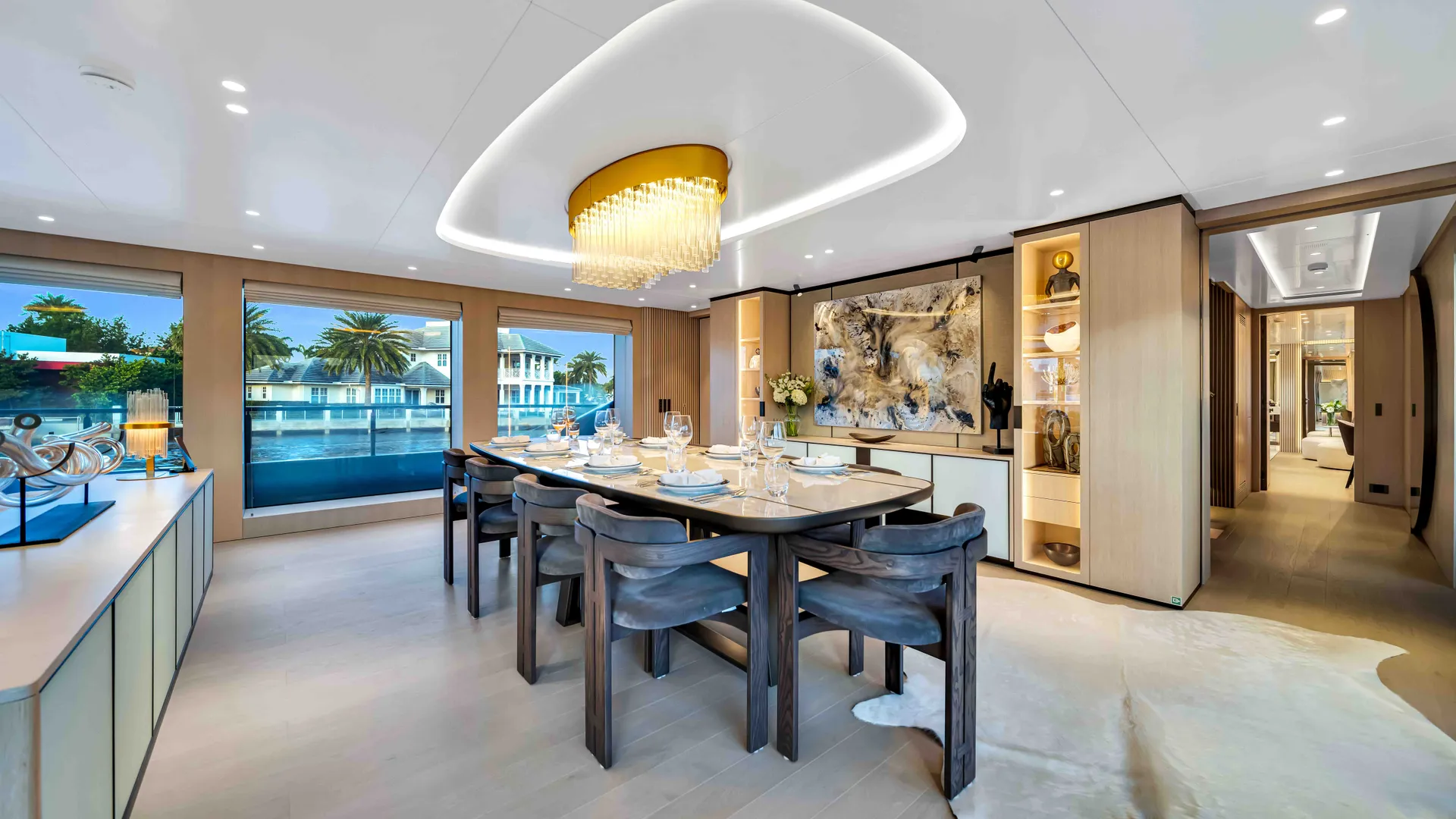
Yacht Interior Engineering
Interni translates yacht interior design intent into coordinated technical information for shop drawings, production, shipyard review and onboard installation.
Shop drawings · Systems · Marine materials · Onboard readiness
Technical Translation
Yacht interior engineering is the technical bridge between design direction and onboard execution. It turns atmosphere, layouts, materials and detailing into coordinated information that can be reviewed, produced, transported, installed and handed over.
Interni supports this stage for selected new build and refit projects, coordinating interior architecture, joinery, marine materials, system interfaces, service access, production readiness and shipyard requirements.
The goal is not to overcomplicate the design. The goal is to protect the approved design intent while making the interior technically realistic for life at sea.
Engineering Scope
Weight, access, service zones, layout constraints, shipyard programme and onboard conditions are reviewed before engineering moves forward.
Interior layouts, joinery details, interfaces, elevations, sections and coordination drawings are structured for review and production readiness.
MEP interfaces, lighting, access panels, inspection points, service voids and removable elements are coordinated with the interior package.
Panels, cabinetry, furniture, doors and built-in elements are reviewed for removability, durability, weight and onboard fitting.
Finishes, substrates, lightweight surfaces, fabrics and components are reviewed for suitability, traceability and project documentation needs.
Mock-ups and sample assemblies help verify fit, finish, junctions, tolerances, lighting details and production assumptions before delivery.
Production planning, supplier interfaces, packaging, logistics, sequencing and quality review are coordinated with project milestones.
Access, trade sequencing, installation method, inspections, adjustment zones and handover documentation are planned before onboard works.
Technical Deliverables
Every yacht project requires a different level of documentation. Some scopes need early technical review only; others require developed shop drawings, material schedules, mock-up coordination, supplier documentation and installation planning.
Interni defines the appropriate technical route after reviewing the vessel context, design status, project team, shipyard schedule and required scope of responsibility.
Interior technical drawings can be coordinated around production requirements, onboard constraints and review milestones.
Joinery, cabinetry, panel systems, doors and furniture elements are developed around fit, access, serviceability and finish quality.
Materials, substrates, surfaces, fabrics, metals and specialist finishes are reviewed against performance and documentation requirements.
Interior elements are reviewed against MEP interfaces, lighting, HVAC, access panels, structural constraints and shipyard inputs.
Sample boards, details, mock-ups and production assumptions can be reviewed before procurement and manufacturing advance.
Installation sequencing, packaging, site access, adjustment zones and handover documentation are coordinated with the project route.
Production Readiness
Yacht interiors leave little room for improvisation once components reach the vessel. Access is limited, shipyard timing is compressed and other trades are often working in parallel.
Mock-up review, material confirmation, production sequencing and installation logic help identify problems earlier, when they are easier and less costly to resolve.

Systems Integration
Behind every finished surface there are systems, access points, service routes, maintenance requirements and shipyard interfaces. Engineering must coordinate the visible interior with the invisible technical structure that keeps the vessel operational.
Marine Constraints
Project Contexts
New build and refit projects require different technical routes. A new build may need early alignment between design, shipyard and production. A refit may require deeper review of existing conditions, retained elements, access restrictions and installation sequencing.
Interni can support owners, family offices, shipyards, designers and project teams where interior decisions require technical clarity before procurement, fabrication or onboard works begin.
For new build projects, Interni supports the technical route between concept, drawings, materials, production and shipyard coordination.
For refit projects, existing conditions, access, retained elements, survey findings and onboard sequencing are reviewed before works advance.
Owners and family offices can use Interni to review whether a proposed interior route is practical, coordinated and delivery-ready.
Designers can be supported where their concept needs engineering review, material coordination, detailing and production alignment.
Interior engineering can be coordinated with shipyard milestones, inspection points, access windows and other technical trades.
Procurement decisions are stronger when materials, dimensions, interfaces, quantities and installation requirements are technically reviewed.
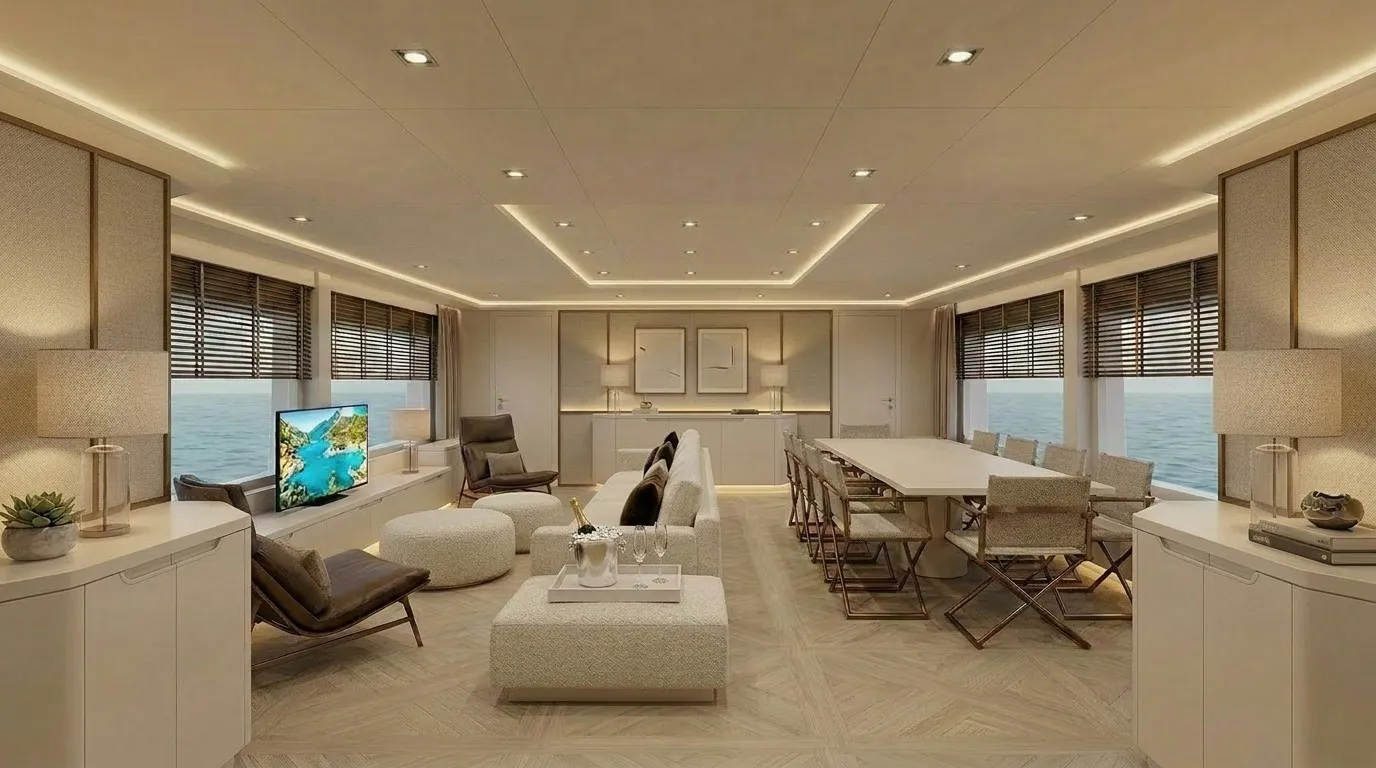
Access and Detail Coordination
Stairs, corridors, thresholds, service access, lighting junctions, removable panels and built-in elements need the same discipline as the main saloon or cabin. These zones determine how well the yacht can be maintained, inspected and used over time.
Interni reviews these details so that the interior remains coherent, serviceable and realistic for onboard conditions.
Engineering Route
The engineering process depends on the project stage, vessel context and scope of responsibility. Interni structures the route so that technical decisions support design intent, production feasibility and onboard execution.
01
Design status, vessel constraints, drawings, access, materials and project responsibilities are reviewed.
02
Technical drawings, material direction, joinery logic and system interfaces are coordinated for review.
03
Mock-ups, samples, production assumptions and supplier inputs are checked before fabrication advances.
04
The interior package is prepared for procurement, production, logistics, onboard installation and handover.
FAQ
Questions often raised by yacht owners, shipyards, designers and project teams.
Yacht interior engineering translates an approved interior design direction into technical information that can be reviewed, coordinated, produced, installed and handed over on board.
Yes. Interni can support yacht interior shop drawing coordination in Dubai and the wider GCC where the scope requires technical development, production readiness and shipyard coordination.
Yes. For yacht refit projects, Interni reviews existing vessel constraints, access limitations, retained elements, service zones, material renewal and installation sequencing.
Yes. Interni coordinates interior engineering inputs with shipyards, naval architects, designers, suppliers and owner-side representatives where required by the project.
Yes. Material direction and technical documentation can be reviewed around durability, weight, maintenance, exposure, fire-safety requirements and class or shipyard expectations where applicable.
Yes. This page focuses on yacht interior engineering, technical coordination, shop drawings and production readiness. For broader yacht interior fit-out, marine interiors, procurement and onboard installation, visit the yacht interiors service page.
Engineering Scope Review
If your yacht project requires technical scope review, shop drawings, system integration, material coordination, refit engineering or onboard installation planning, Interni can review the scope and define the appropriate route.