Private Residence Guide
Villa Renovation in Dubai: Costs, Timelines and Risks Owners Should Know
A practical guide for private villa owners, family offices and project teams planning a renovation in Dubai — covering scope clarity, approvals, MEP risk, procurement, site coordination and handover control.
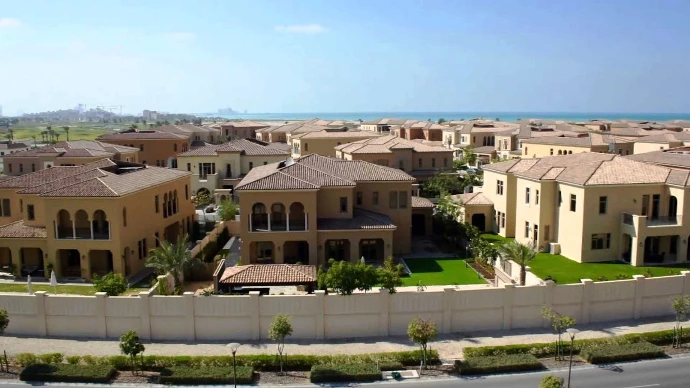
Key Takeaways for Villa Owners
- Villa renovation costs in Dubai depend more on scope, MEP condition and procurement than on size alone.
- Most delays come from unclear specifications, approvals, long-lead materials and hidden site conditions.
- MEP, AC, waterproofing and drainage should be reviewed before final finishes are approved.
- FF&E procurement should begin before site execution reaches installation stage.
- A controlled renovation protects design intent, privacy, budget visibility and handover quality.
Who This Guide Is For
This guide is written for villa owners, family offices, owner representatives, architects and designers planning a private residence renovation in Dubai where scope, privacy, procurement and execution control matter.
It is not intended as a guide to minor repair works or low-cost cosmetic upgrades.
Villa renovation in Dubai is rarely just a cosmetic exercise. For private residences, the real risks often sit behind the visible finishes: unclear scope, hidden MEP conditions, authority requirements, delayed procurement, contractor coordination and weak handover control.
The question is not only how much a renovation costs. The more important question is what has been controlled before cost, time and quality begin to move.
This guide explains what owners should understand before starting a villa renovation in Dubai, including cost drivers, typical timelines, approvals, hidden technical risks and the decisions that help protect design intent through execution.
Planning a private villa renovation?
Interni can review the scope, technical risks and execution path before decisions reach site.
What Villa Renovation in Dubai Really Involves
A villa renovation is not only the replacement of finishes. It is the coordination of existing site conditions, new design intent, services, materials, procurement and execution inside a property that may already have years of use, previous modifications or hidden technical constraints.
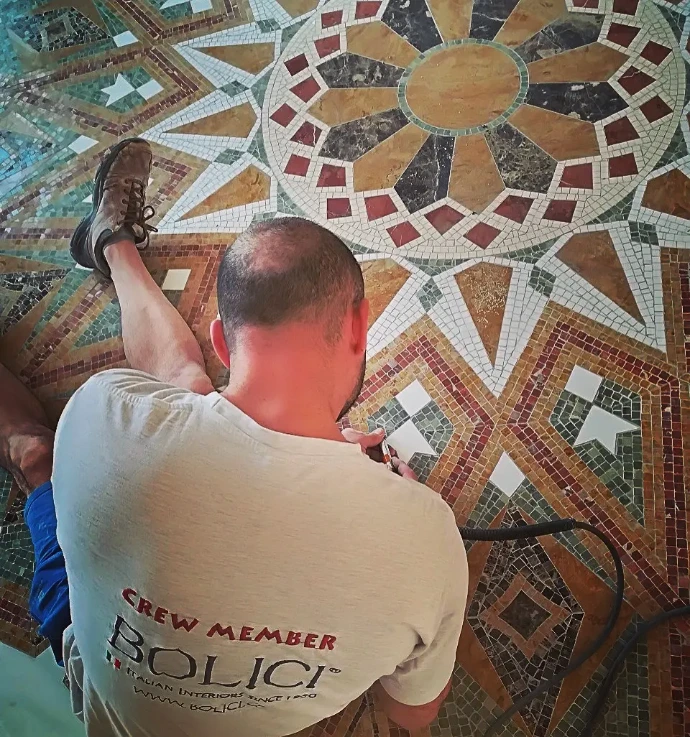
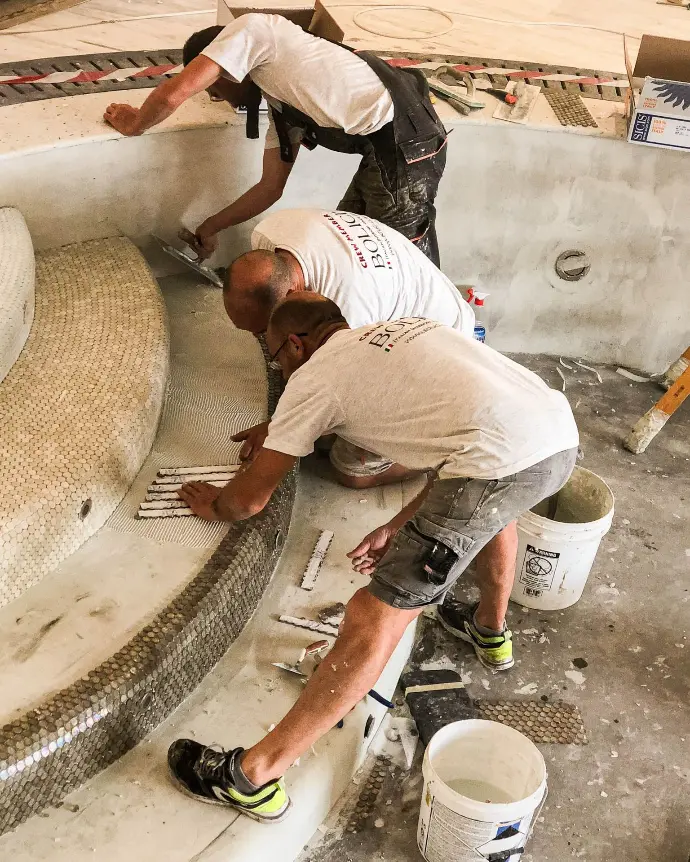
Depending on the scope, a villa renovation in Dubai may involve layout changes, MEP and AC upgrades, waterproofing, drainage works, kitchen and bathroom renovation, custom joinery, flooring, marble, stone, lighting, control systems, FF&E coordination, site protection, access management and final handover.
The most successful projects are usually the ones where design, procurement and execution are not separated too late. When each discipline works in isolation, decisions become reactive. When they are coordinated early, the renovation has a clearer path from approved design to completed residence.

Villa Renovation vs Villa Fit-Out vs Interior Upgrade
| Term | Meaning | Typical risk |
|---|---|---|
| Villa renovation | Upgrading or modifying an existing villa | Hidden defects, MEP issues, scope drift |
| Villa fit-out | Executing interior works, often from shell/core or approved design | Site readiness, contractor sequencing |
| Interior upgrade | Limited changes to selected rooms, finishes or FF&E | Inconsistent standards |
| Full refurbishment | Wider technical and visual renewal of the property | Budget escalation, approvals, procurement delays |
For major private residences, the project may include all of these. A villa may need renovation of existing technical systems, fit-out of redesigned interiors, procurement of new FF&E and refurbishment of selected finishes.
For broader residential design and build requirements, see Interni's approach to private residential design and build.
Typical Villa Renovation Costs in Dubai
Villa renovation cost in Dubai depends less on the villa size alone and more on the existing condition of the property, the technical scope, the level of finish, procurement lead times and the amount of coordination required between design, MEP, joinery and site execution.
Generic cost estimates can be misleading. A villa with limited visual changes but major AC, waterproofing or electrical issues may cost more than a visually dramatic but technically simple upgrade. The first step should be a controlled review of scope, existing conditions and risk areas.
| Renovation type | Typical scope | Cost sensitivity |
|---|---|---|
| Light interior upgrade | Paint, loose furniture, selected finishes | Lower |
| Partial renovation | Bathrooms, kitchen, joinery, flooring | Medium |
| Full villa renovation | MEP, AC, finishes, layout and joinery | High |
| Private residence upgrade | Custom detailing, imported materials, FF&E, phased delivery | Very high |
What Affects the Cost of a Villa Renovation
| Cost driver | Why it matters | Risk if ignored |
|---|---|---|
| Existing MEP condition | Can affect ceilings, bathrooms, kitchens and AC | Rework after finishes |
| Joinery scope | Impacts production, site measurements and installation | Delays and fit issues |
| Imported materials | Often long-lead and approval-sensitive | Late substitutions |
| Occupied villa | Requires phasing and privacy control | Disruption and access issues |
| Authority / community approvals | Can delay site start | Programme drift |
| FF&E procurement | Affects delivery and handover | Incomplete final installation |
The most expensive risks are often not the visible items. They appear when technical systems, procurement timing or site constraints are discovered after design decisions have already been approved.
How Long a Villa Renovation Takes
A renovation timeline is only reliable when design, approvals, procurement and site readiness are planned together. A project may appear simple at the beginning, but delays often come from unresolved technical details, late material decisions or missing approvals.
| Phase | What happens | Risk if unmanaged |
|---|---|---|
| Initial review | Scope, site condition, priorities | Underestimated budget |
| Design / technical coordination | Drawings, materials, MEP, joinery | Rework |
| Approvals | Community, developer, authority or building NOC | Delayed start |
| Procurement | Long-lead materials, FF&E, appliances | Delayed installation |
| Site works | Demolition, services, finishes | Disruption and coordination issues |
| Handover | Snagging, testing, documentation | Post-handover defects |
Owner Checkpoint
Before confirming a renovation programme, check whether approvals, long-lead materials, FF&E, joinery, appliances and imported finishes have realistic dates attached to them.
Approvals, Permits and Community Requirements
Approval requirements vary depending on the villa location, community, scope of works and whether structural, MEP, façade, external or major internal changes are involved.
Dubai Municipality publishes building permit procedures that include residential villas, while Dubai Development Authority lists construction permits and NOCs such as fit-out permits, building modification permits and maintenance permits. These requirements depend on the jurisdiction and scope of work.
In practice, a villa renovation may require community or developer NOC, building management approval, authority permit, contractor registration, work timing approval, waste management planning, service shutdown coordination and inspection or completion requirements.
Because approvals vary by community and scope, they should be checked before the renovation programme is finalised.
MEP, AC and Hidden Technical Risks
Many renovation problems appear as finish defects, but begin as unresolved MEP, waterproofing, humidity, drainage or AC coordination issues.
Common hidden risks include insufficient AC capacity after layout changes, old ducting, drainage issues, waterproofing failures, electrical load limitations, lighting control conflicts, smart home integration issues, ceiling void constraints, missing access panels and poor coordination between MEP and joinery.
A technically controlled renovation identifies these issues before finishes are installed. Otherwise, defects may only appear after handover, when correction is more disruptive and more expensive.
Owner Checkpoint
Before approving finishes, ask whether AC capacity, drainage, waterproofing, electrical load and access panels have been reviewed against the new design.
Unclear specifications, late procurement and hidden site conditions are where many renovation delays begin.
Materials, Joinery and FF&E Procurement
Materials and procurement decisions are often underestimated in villa renovations. A finish can be approved visually but still fail the project if it is unavailable, unsuitable for the site condition, difficult to install or incompatible with other trades.
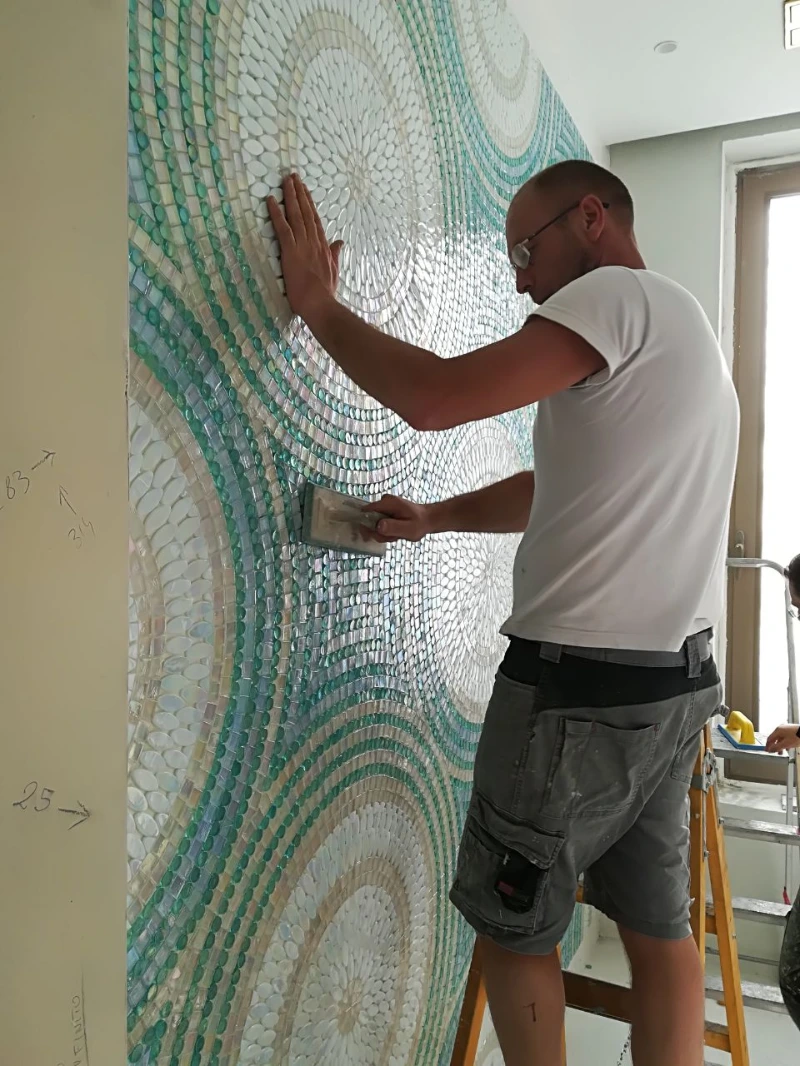
Key areas to control include marble and stone, flooring systems, wall coverings, decorative finishes, doors, hardware, kitchens, wardrobes, custom joinery, lighting, appliances, outdoor furniture, supplier lead times, delivery sequencing and installation readiness.
Procurement should be reviewed alongside drawings and site conditions. Otherwise, owners may face substitutions, delays, inconsistent finishes or installation conflicts.
See Interni's approach to FF&E procurement for private residences.
Villa Renovation Risk Map
| Risk area | What usually goes wrong | How to control it |
|---|---|---|
| MEP and AC | Systems are discovered too late or conflict with new layouts | Review services before final design and procurement decisions |
| Procurement | Long-lead materials arrive after site is ready | Sequence FF&E, joinery and finishes early |
| Design intent | Substitutions weaken the approved design | Control samples, shop drawings and approvals |
| Privacy | Too many contractors, suppliers and decisions enter the home | Define site access, communication and confidentiality rules |
| Handover | Snagging, documentation and maintenance access are incomplete | Plan testing, access panels, manuals and final checks |
How to Renovate Without Losing Design Intent
The objective of a controlled renovation is not to reinterpret the design during construction. It is to protect the approved design intent through technical coordination, procurement discipline and site execution.
This requires clear specifications, coordinated drawings, shop drawing review, material samples, mockups where required, substitution control, coordination with the architect or designer, site supervision and handover checks.
Design intent is often lost gradually: one late substitution, one unresolved site condition, one supplier change, one uncoordinated detail. A controlled process protects the original intent before these small decisions become visible compromises.
Living Disruption, Privacy and Site Control
For private residences, site control is also privacy control. The way contractors access the property, how materials are delivered, how information is shared and how the site is protected all affect the renovation experience.
This is especially important when the villa remains occupied, family members or staff are present, works are phased by area, valuable finishes or furniture remain on site, confidentiality matters or multiple suppliers are involved.
A serious renovation plan should address access control, dust and noise management, temporary protection, site logistics, delivery routes, contractor behaviour, communication with household or property teams, security and confidentiality.
A private villa is not just a site. It is a personal environment, and the renovation method should reflect that.
Common Mistakes Owners Make
The most common mistakes in villa renovation are usually avoidable.
- Starting without a complete scope.
- Selecting a contractor based only on price.
- Ignoring MEP and AC risks.
- Approving finishes before procurement is checked.
- Making FF&E decisions too late.
- Skipping mockups or samples.
- Accepting unclear responsibility between parties.
- Weak site supervision.
- Poor coordination between designer, contractor and suppliers.
- No handover checklist.
- Renovating an occupied property without phasing.
A lower initial quote can become expensive if the project has no system for managing design changes, procurement delays, hidden technical issues or handover defects.
When to Involve a Controlled Execution Partner
A controlled execution partner should be involved before procurement and site works begin, while the scope, design intent, risk areas and delivery path can still be clarified. Once materials are ordered and the site is active, many risks become more expensive to correct.
Interni is most relevant where a villa renovation involves more than isolated works: design intent, technical coordination, procurement, privacy, site control and handover all need to move together.
Plan a Controlled Villa Renovation
For private villas, penthouses and residential assets, Interni helps align design intent, procurement, site coordination and handover before execution risks become visible.
Villa Renovation Dubai FAQ
How much does villa renovation cost in Dubai?
Villa renovation cost in Dubai depends on the villa condition, technical scope, finish level, MEP requirements, joinery, procurement and whether the property is occupied. A light upgrade and a full private residence renovation have very different cost structures, so the scope should be reviewed before relying on generic estimates.
How long does villa renovation take in Dubai?
Timelines depend on approvals, design coordination, procurement, site access and the complexity of the works. The most common delays come from unclear scope, late material decisions, MEP changes and approval constraints.
Do villa renovations in Dubai require approvals?
Many villa renovations require community, developer, building management or authority approvals, depending on the location and scope. Structural, MEP, façade, external and major internal works usually need more careful review before work starts.
What is the difference between villa renovation and villa fit-out?
Villa renovation usually involves upgrading or modifying an existing property. Villa fit-out focuses on executing interior works, often from shell/core or an approved design package. Some private residential projects involve both.
What are the biggest risks in villa renovation?
The biggest risks are unclear scope, hidden MEP issues, waterproofing failures, AC coordination, delayed procurement, weak contractor sequencing and poor handover control.
Can Interni work with my architect or interior designer?
Yes. Interni can work with appointed architects, interior designers and owner-side teams, protecting the approved design intent through technical coordination, procurement discipline and controlled site execution.
Can a villa be renovated while occupied?
It is possible in some cases, but it requires strict phasing, site protection, access control, dust and noise planning, privacy management and clear communication with the household or property team.
When should FF&E procurement start?
FF&E procurement should begin once the design intent, specifications and budget framework are sufficiently clear. Early procurement planning helps reduce delays caused by long-lead items, supplier availability and installation sequencing.
What should owners check before choosing a renovation contractor?
Owners should check technical capability, project control, procurement process, MEP understanding, site supervision, previous private residential experience, handover process and the ability to work with architects or designers.
Does Interni manage full villa renovation or selected scopes?
Interni can support full private residential renovation or selected scopes where design intent, procurement, technical coordination and site execution require controlled delivery.